
%20Transparent.png)
Essential Tips for New Professors to Thrive in Academia
- Dr. Erica Garcia Thomas

- Apr 15
- 3 min read
Dr. Erica Garcia-Thomas
Starting a career as a professor can feel overwhelming. New professors face many challenges, from managing classrooms to balancing research and service duties. Success in academia requires more than subject knowledge. It demands strong organization, clear communication, and strategic planning. This post offers practical advice to help new professors build a solid foundation and thrive in their academic roles.

Understand Your Role Beyond Teaching
Teaching is a core responsibility, but we as professors also engage in research, advising, and institutional service. Knowing the full scope of these responsibilities can help you manage your time more effectively.
Teaching: Prepare engaging lectures, design fair assessments, and provide timely feedback.
Research: Develop a research agenda early, seek funding options, and publish regularly about topics you are passionate about.
Service: Participate in committees, mentor students, and contribute to your department’s growth.
Balancing these areas requires clear priorities. For example, setting weekly goals for research writing alongside lesson planning can prevent last-minute stress.
Build Strong Relationships with Students and Colleagues
Positive connections enhance your teaching experience and professional growth. Students respond better when they feel supported, and colleagues can offer valuable advice.
Hold regular office hours and encourage students to discuss their concerns.
Make video tutorials and messages for your class on a regular basis
Collaborate with peers on research projects or teaching initiatives.
Attend departmental meetings and social events to integrate into the academic community.
Informal coffee chats with senior faculty can provide insights into how to navigate rank and promotion expectations, as well as departmental culture.
Develop Effective Time Management Skills
Academic life often involves juggling multiple tasks with competing deadlines. Without good time management, it’s easy to feel overwhelmed.
Use a calendar to block out time for lectures, grading, research, and meetings.
Break large projects into smaller, manageable tasks.
Set boundaries to protect personal time and avoid burnout.
For instance, dedicating mornings to focused research and afternoons to student interaction can create a balanced daily routine.

Embrace Technology to Enhance Teaching and Research
Technology can save time and improve student engagement. Learning to use digital tools early can make your work more efficient.
Use advanced features in learning management systems (Brightspace d2L, Canvas, Google Classroom, etc.) to organize course materials and track grades.
Incorporate multimedia presentations to make lectures more dynamic and create videos to post in announcements along with a written transcript.
Utilize reference management software to streamline research writing (Zotero, EndNote, Mendeley, etc.).
When I integrated slides into live sessions as quizzes, I found that students retained the material and appreciated the immediate feedback.
Seek Mentorship and Professional Development Opportunities
No one succeeds alone in academia, and at first it can feel like a whole other language (because it is!). Mentors provide guidance on career advancement, grading and feedback, research strategies, navigating the context, and work-life balance. Having a mentor can improve your perception of your university and your sense of connection in academia.
Identify experienced faculty willing to mentor you. Ask your supervisor whether they need a contract to do so, or whether you can ask them to volunteer (this varies by institution/department).
Attend workshops or watch YouTube videos on teaching methods, grant writing, and academic publishing.
Join professional associations related to your field and be active in them.
Prioritize Clear and Consistent Communication
Effective communication reduces misunderstandings and builds trust with students and colleagues.
Clearly outline course expectations and grading criteria in your syllabus.
Respond promptly to student emails and questions.
Provide constructive feedback that encourages improvement.
For example, sharing detailed rubrics helps students understand how their work will be evaluated, leading to better performance.
Take Care of Your Well-being
Academic careers can be demanding. Maintaining physical and mental health is essential for long-term success.
Schedule regular breaks during workdays.
Engage in activities outside academia to recharge.
Seek support if stress or workload becomes overwhelming.
Practicing mindfulness can improve focus and reduce anxiety during busy semesters.

Stay Flexible and Open to Feedback
Teaching and research environments evolve. Being adaptable helps you respond to new challenges and improve your skills.
Solicit student feedback through surveys or informal conversations.
Reflect on what works well and what needs adjustment in your courses.
Stay updated on developments in your discipline and teaching techniques.
Revising a course based on student feedback led to higher engagement and improved evaluations.
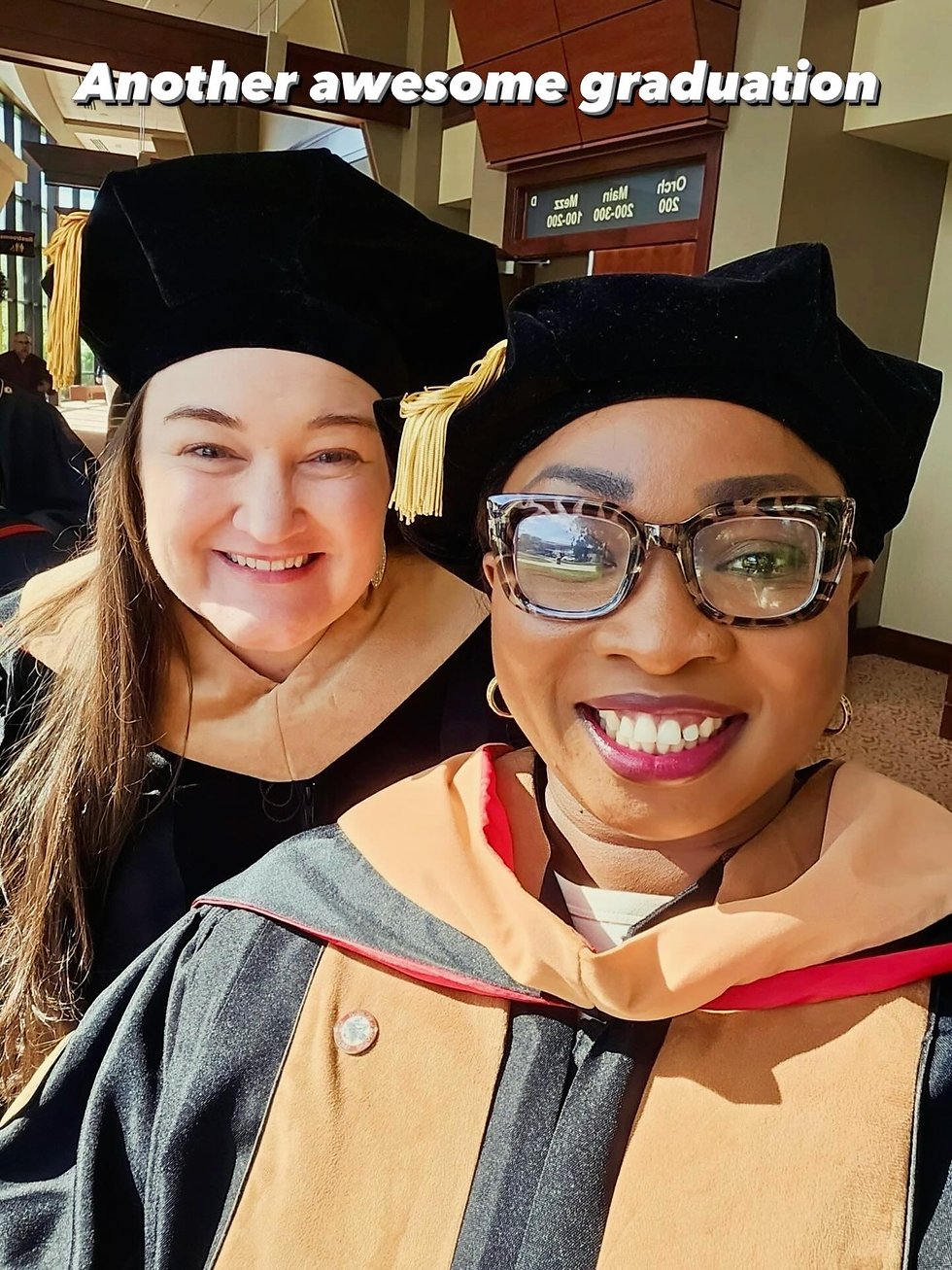
Ultimately, you must remember your "why" for your work. I'm constantly reminded of why I do what I do because students provide feedback and let me know what they enjoyed in my class, and I get to see them graduate, which is the best thing ever.


Comments